Anyone entering the city of Hyderabad is faced with towering high-rises, widening corridors and extensive residential projects. These developments tell us the story of a dynamic and pulsating metropolis. However, this also gives rise to a question:
Learn More
12th Feb, 2026
Are we building for today’s yield, or for the next 30 years of living?
Building for the long term calls for a mediation between ambition and responsibility — between the pressure to seize rising real estate demands today and the foresight to preserve livability for decades. It requires balancing density with breathing room, aesthetics with practicality, and rapid construction with thoughtful resource planning. Only then can growth translate into enduring value.
Nature-adjacent, Low Density Living
Urban housing today is largely driven by numbers — units per acre, saleable area, and yield maximisation. Open space becomes a matter of negotiation, ventilation an afterthought, and speedy construction is prioritised over resource planning.
High density isn’t inherently wrong, but it often comes with significant compromises that affect the quality of life your home can offer. When projects ignore road access, long-term maintenance, and environmental impact, it becomes an added responsibility for residents to ensure the smooth functioning of their own lives. The real cost appears to accumulate over time, in the form of expensive renovations, poor airflow, overcrowded amenities, and declining quality of life.
On the other hand, low-density housing ensures better access to resources, and more room for common spaces and facilities. With more green spaces, improved air quality and more closely-knit communities, low density projects promise a better lifestyle for every home owner.
Wider roads and paths
Generous open spaces
More room for green cover
Not only do these factors improve the quality of life for residents when they first purchase their home, but it also helps alleviate the stresses that come with home ownership. This way, our customers can build community, live closer to nature, and ensure harmony within homes and in societies. They can come back to homes that give them respite, no matter what the day throws at them.
Future-forward Construction
As long-term investments, homes should be designed to adapt to rapid urbanisation, changing climates, and evolving lifestyles. The following factors are key to creating properties that not only survive but also respond to changing landscapes:
Climate-responsive construction
Multifunctional spaces
Durable materials
Thoughtful amenity planning
Maintenance-friendly design
Design that anticipates change and adapts to it naturally ensures long-term livability — and lasting value.
User Experience Optimisation
A developer’s relationship with end-user customers is an important consideration in construction. This connection with those who use our spaces everyday doesn’t end at handover.
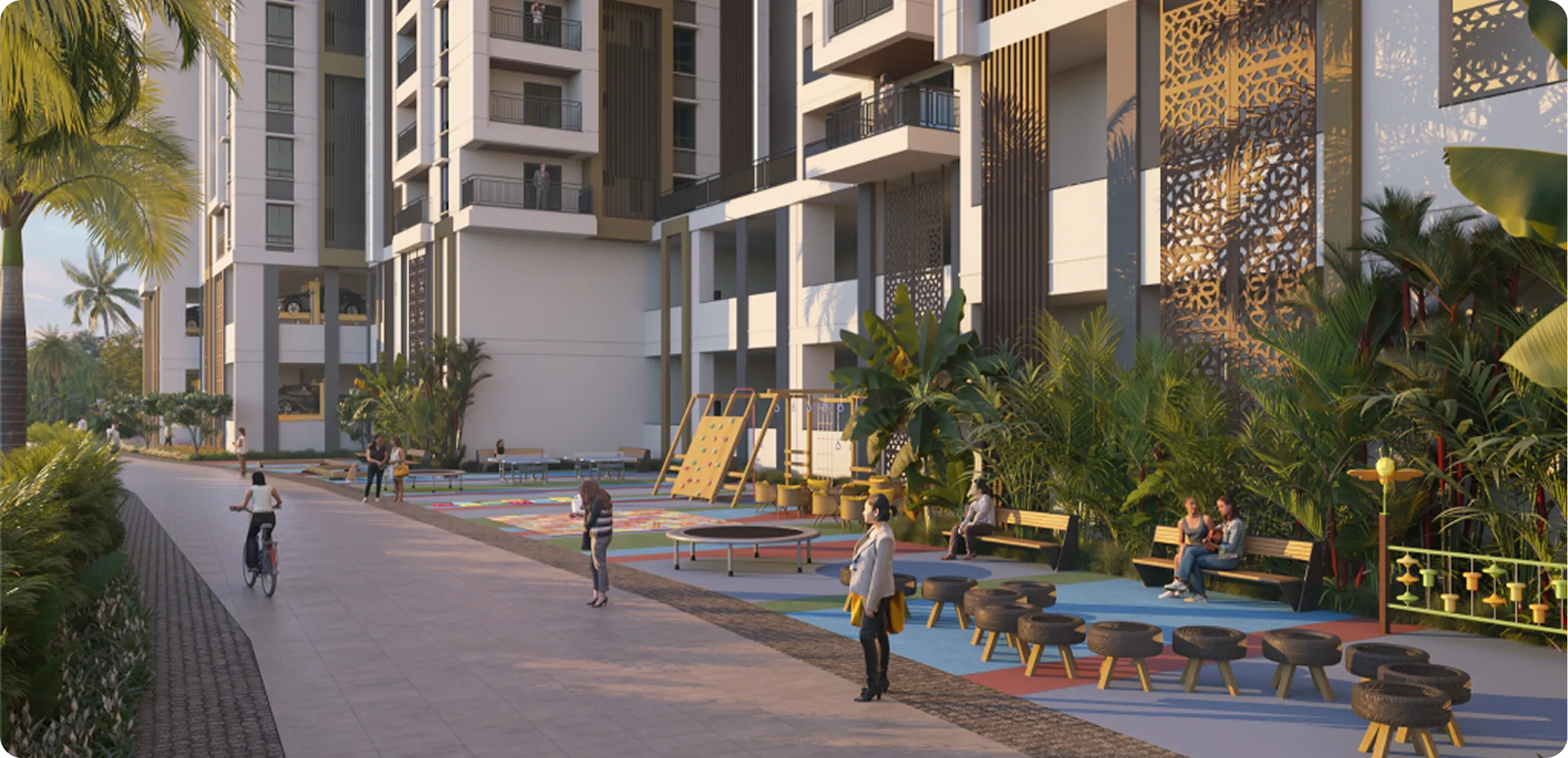
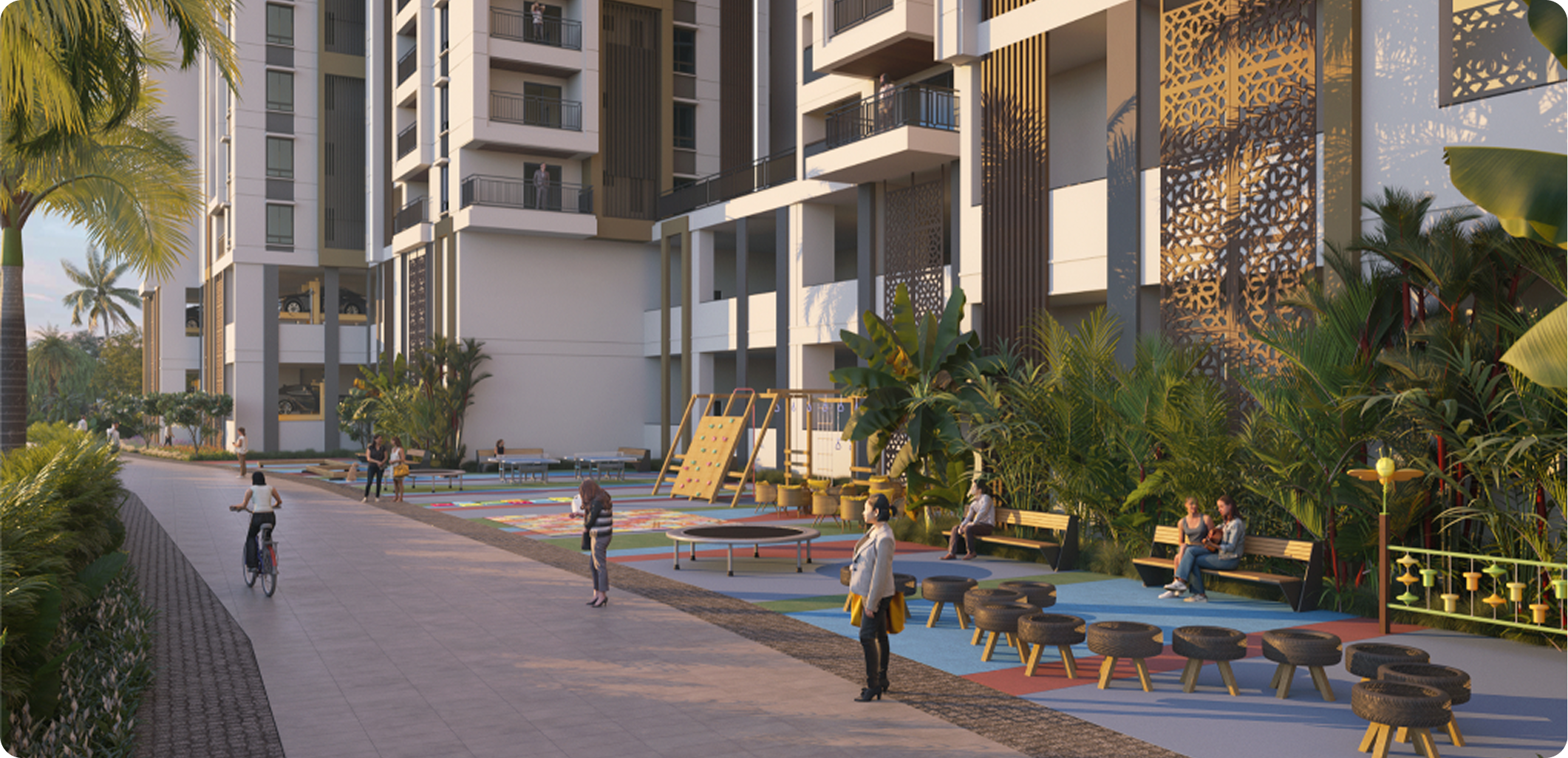
Large-format amenities — such as expansive open grounds and recreational facilities — are integrated intentionally. Instead of compressing green spaces to increase room for construction, reserving green spaces enhances neighbourhoods and improves wellbeing.
When it comes to optimising user experience, these elements ensure positive experiences in the long term.
Use of sustainable materials
Community-building environments
Functional amenity design
A sense of belonging, not just occupancy
Reimagining Urban Living
The way we see it, projects focused on responsible construction, user-friendly design, nature-adjacent living, and spaces that foster community are the need of the hour, and solution for the future. They help combat the tumult of the city, creating spaces of respite and recovery.
This vision is the rhythm of Cadence, one that reverberates through all our projects.